
Understanding the Role of Trust in Social Selling
In today's rapidly evolving business landscape, the question of whether artificial intelligence (AI) will replace social selling has become a topic of considerable debate among entrepreneurs and sales professionals alike. As AI technology continues to advance, many wonder if it will render traditional methods of relationship-based selling obsolete. However, the reality is quite the opposite: trust and authentic human connections are becoming even more integral to successful sales strategies.
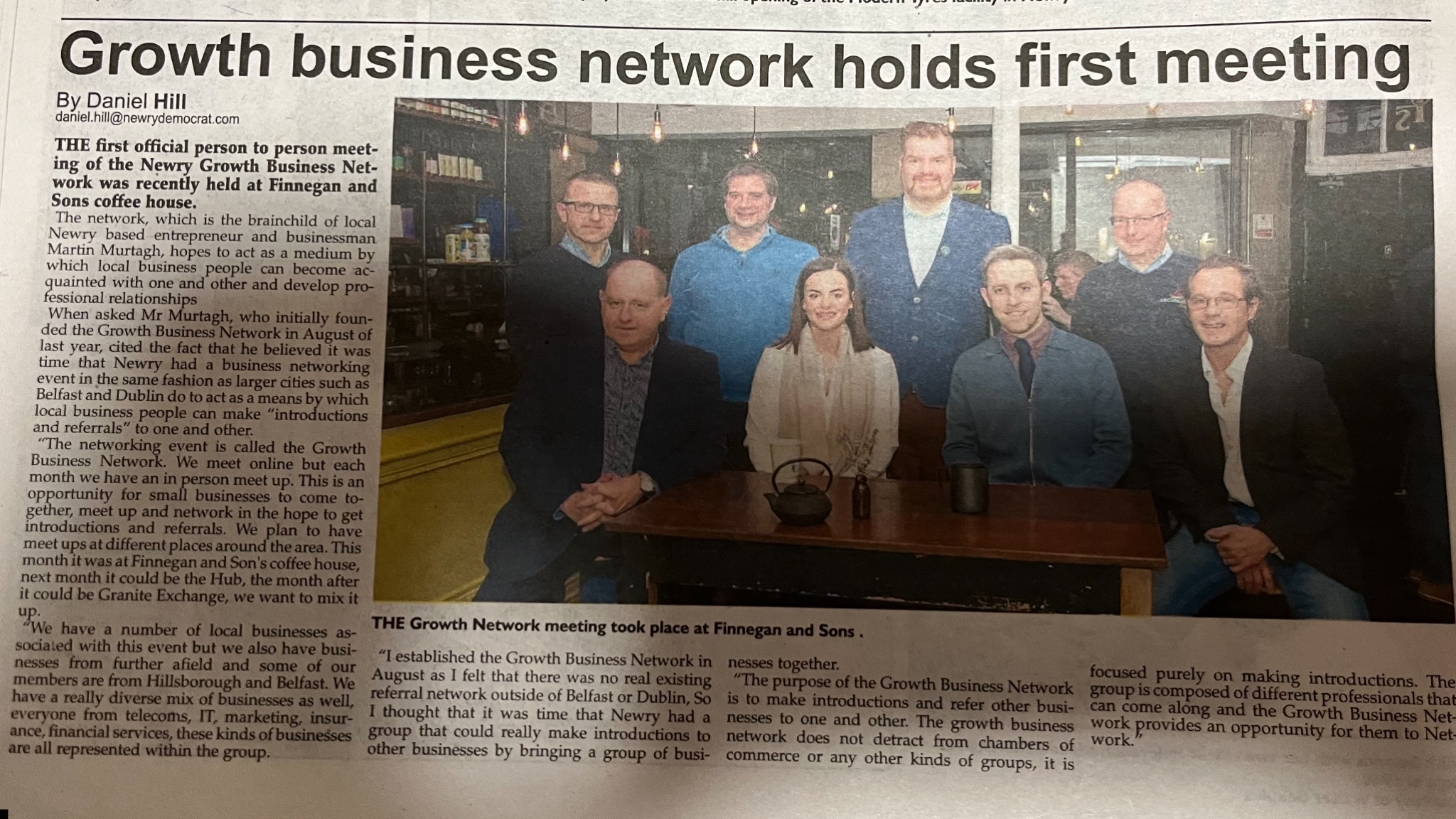
AI excels in automating tasks, generating content, and analysing vast amounts of data. Yet, it fundamentally lacks the ability to cultivate genuine relationships. It cannot share a coffee with a potential client, provide meaningful insights during a networking event, or foster the lasting trust that comes from personal interactions. As we embrace the benefits of AI, we must remember that the essence of social selling lies in building a network of relationships based on trust.
As AI technology grows, authentic relationships become even more valuable.— Martin Murtagh
Ultimately, while AI can assist in many aspects of business operations, it cannot replace the human touch that fuels social selling. The ability to connect with others authentically, provide value, and build credibility over time is irreplaceable. In this new era, the most successful entrepreneurs will be those who leverage AI as a tool while prioritising the cultivation of meaningful relationships.
The Core of Social Selling: Building Trust
At its essence, social selling is not merely about leveraging online platforms to push products or services. It is fundamentally centred around the concept of trust. As entrepreneurs navigate a rapidly evolving sales and marketing landscape, understanding this foundational principle is vital to sustaining growth and maintaining relevance.
In an age when artificial intelligence (AI) can automate tasks, from content creation to customer analysis, it's easy to mistakenly think that technology could replace the human elements of selling. However, AI lacks the capacity to foster authentic relationships. Genuine trust cannot be generated through algorithms or automated messages; it requires time, effort, and personal interaction.
This is where the true value of social selling lies: in establishing and nurturing connections over time. By consistently showing up, contributing valuable insights, and engaging with prospects, entrepreneurs can create a network of trusted relationships. When potential clients are looking for solutions, they are likely to remember and turn to those who have earned their trust.
In a world increasingly reliant on technology, the ability to build trust remains a key differentiator.— Martin Murtagh
As social selling continues to evolve, entrepreneurs must focus on cultivating their relationship capital. This means prioritising trust-building activities and recognising that, while AI can help streamline processes, it is the human touch that ultimately drives successful sales.
Harnessing Technology Without Losing Human Touch
As AI tools become more prevalent, it's crucial for businesses to understand their practical applications in enhancing social selling. While AI can streamline certain tasks, its true value lies in its ability to complement human relationships rather than replace them.
Integrating AI into Relationship Building
To effectively utilise AI in social selling, entrepreneurs should focus on the following strategies:
- Use AI for prospect identification: Leverage AI tools to analyse data and identify potential leads based on specific criteria.
- Automate routine tasks: Employ AI to handle repetitive tasks like scheduling meetings or managing follow-ups, allowing you to focus on building relationships.
- Enhance content creation: Utilise AI to generate insightful content that adds value to your audience, fostering trust and credibility.
- Analyse interactions: Use AI analytics to understand engagement patterns, helping you tailor your approach to meet the needs of your network.
By integrating these AI capabilities, you free up time and resources to nurture authentic relationships and build trust with your clients.
Maintaining the Human Element
While AI can assist in various aspects, it’s essential to prioritise human interactions. This includes attending networking events, engaging in meaningful conversations, and nurturing referrals. These activities not only build trust but also reinforce your reputation as a reliable partner.
Ultimately, the most successful businesses will be those that leverage technology to enhance their interpersonal connections, ensuring that the essence of social selling, such as trust and relationship-building, remains at the forefront.
Misunderstandings in Social Selling and Relationship Building
As the landscape of sales and marketing evolves, misconceptions about social selling can hinder business growth. One of the most prevalent misunderstandings is the belief that social selling is merely about leveraging social media platforms like LinkedIn. While these tools are useful, the core of social selling revolves around trust and relationship-building, not just platforms and content sharing.

Common Pitfalls in Social Selling
- Overemphasis on automation at the expense of personal interaction.
- Assuming that posting frequently equates to effective engagement.
- Neglecting to build genuine relationships before pitching services.
- Focusing solely on leads rather than nurturing existing connections.
Another misconception is the idea that expertise alone will drive sales. In a world where everyone has access to similar AI tools, mere knowledge is insufficient. Clients seek reassurance and trust in their interactions, which can only be cultivated through consistent, genuine engagement.
The Importance of Authenticity
Authenticity is crucial in social selling. Misunderstanding this can lead to a transactional approach rather than a relational one. Businesses that focus on building trust and credibility over time will find themselves far better positioned than those relying solely on technology or automated messages.
Trust is the glue of life. It's the most essential ingredient in effective communication. It's the foundational principle that holds all relationships.— — Stephen R. Covey
Building Trust Through Real Connections
Consider the case of a financial advisor named Joe. Despite having access to advanced AI tools that could analyse market trends and generate reports, Joe recognises that his success hinges on the relationships he nurtures. At a local networking event (The Growth Network), Joe engages in authentic conversations, listens actively, and builds rapport with potential clients. Over time, these interactions build trust, leading to numerous referrals that AI alone could not facilitate.
The Power of Referrals
In another example, a marketing consultant, Manus, leveraged his existing network to gain new clients. Rather than relying on automated emails, he reached out personally to former colleagues and clients, sharing insights and updates. This human touch led to several warm introductions, allowing him to secure new projects swiftly. His approach highlighted that while AI could identify potential leads, it was his proactive relationship-building that converted those leads into clients.
Long-Term Relationships Matter
A tech startup founder, Joanne, utilised a hybrid approach by integrating AI tools for research while prioritising one-on-one coffee meetings with mentors and industry experts. This strategy not only enhanced her knowledge but also expanded her professional network. The trust built through these relationships ultimately attracted investors who were willing to support her vision.
While technology opens doors, trust is what gets you invited in.— Martin Murtagh
These examples illustrate that AI can enhance efficiency but cannot replace the core of social selling and authentic human relationships built on trust. The ability to connect, empathise, and engage meaningfully remains unparalleled, positioning relationship capital as a vital asset for business growth.
Insights on Navigating the Intersection of AI and Social Selling
As we delve deeper into the potential of artificial intelligence within social selling, it's crucial to recognise the advanced strategies that can enhance your approach. While AI can assist in various tasks, savvy entrepreneurs will leverage it to augment their human-centric relationship-building efforts rather than replace them.

Leveraging AI for Enhanced Relationship Building
To maximise the benefits of AI in social selling, consider the following advanced strategies:
- Utilise AI-driven analytics to identify potential leads who align with your values and expertise.
- Employ AI tools to curate personalised content that resonates with your target audience, fostering deeper connections.
- Incorporate AI into your research processes to gather insights on industry trends, enabling you to participate in informed conversations.
Building Trust in an AI-Driven Landscape
While AI can streamline processes, the art of nurturing relationships remains uniquely human. Here are key considerations to ensure trust stays at the forefront in your interactions:
- Prioritise authenticity in your communications; let your personality shine through digital channels.
- Actively listen during conversations and be present, recognising the nuances that AI cannot interpret.
- Follow up on connections made through AI-generated introductions with personal outreach to solidify rapport.
The strongest networks are built on trust, not just transactions.
In conclusion, the landscape of social selling is evolving with AI as a powerful ally. However, the true competitive edge lies in the ability to blend technological efficiencies with the irreplaceable human elements of trust and relationship building. Embrace both to thrive in this dynamic environment.
Embracing the Future of Connection
In a rapidly evolving landscape where AI continues to reshape business practices, the essence of social selling remains steadfast: it is fundamentally about trust. While technology can assist in various capacities, from data analysis to content creation, it is the human element that drives meaningful connections and lasting relationships. As we look forward, the businesses that will thrive are those that recognise the irreplaceable value of authentic interaction.
Building genuine relationships requires time, effort, and a commitment to understanding the needs of others. This is where the true power of social selling lies—being present and providing value before a potential client even recognizes their need for your services. By fostering trust through consistent engagement, you position yourself as the go-to resource when challenges arise.
As you navigate this new era, remember that the integration of AI should enhance your relationship-building efforts rather than replace them. Use technology to streamline processes, but prioritise the human connections that are essential to lasting business success. The future of social selling will not be defined by the tools we use but by the relationships we cultivate.